|
| Walter Tevis |

Tevis was born in San Francisco, California in 1928 to Anna Elizabeth (Betty) (née Bacon) and Walter Stone Tevis, an appraiser, growing up in the Sunset District, across the street from Golden Gate Park. His sister, Betty, was born in 1925.
Near the end of World War II, the 17-year-old Tevis served in the Pacific Theater as a Navy carpenter's mate on board the USS Hamilton.
After his discharge, he graduated high school from Model Laboratory School in 1945. He entered the University of Kentucky, where he received B.A. (1949) and M.A. (1954) degrees in English literature and studied with A.B. Guthrie, Jr., the author of The Big Sky. While a student there, Tevis worked in a pool hall and published a story about pool written for Guthrie's class. He later attended the Iowa Writers' Workshop, where he received an M.F.A. in creative writing in 1960.
After graduation, Tevis wrote for the Kentucky Highway Department. He taught classes in fields from the sciences and English to physical education in small-town Kentucky high schools in Science Hill, Hawesville, Irvine, and Carlisle. He also taught at Northern Kentucky University, the University of Kentucky, and Southern Connecticut State University.
Tevis taught English literature and creative writing at Ohio University in Athens, Ohio from 1965 to 1978, where he was named University Professor. Tevis was a member of the Authors Guild.

Short stories
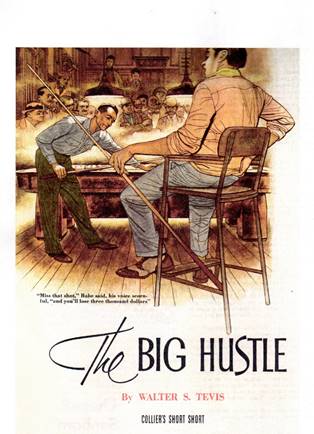
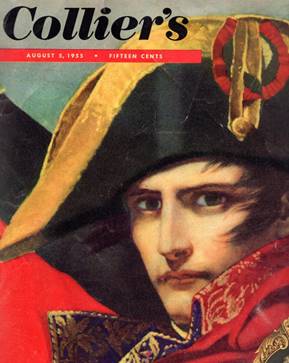
Tevis wrote more than two dozen short stories for a variety of magazines. "The Big Hustle", his pool hall story for Collier's (August 5, 1955), was illustrated by Denver Gillen. It was followed by short stories in The American Magazine, Bluebook, Cosmopolitan, Esquire, Galaxy Science Fiction, Playboy, Redbook and The Saturday Evening Post.
Novels
His first novel, The Hustler, was published by Harper & Row in 1959. Tevis followed it with The Man Who Fell to Earth, published in 1963. Tevis drew from elements of his childhood in The Man Who Fell to Earth, as noted by James Sallis, writing in the Boston Globe
During his time teaching at Ohio University, Tevis became aware that the level of literacy among students was falling at an alarming rate. That observation gave him the idea for Mockingbird (1980), set in a grim and decaying New York City in the 25th century. The population is declining, no one can read, and robots rule over the drugged, illiterate humans. With the birth rate dropping, the end of the species seems a possibility. Tevis was a nominee for the Nebula Award for Best Novel in 1980 for Mockingbird. During one of his last televised interviews, he revealed that PBS once planned a production of Mockingbird as a follow-up to their 1979 film of Ursula K. Le Guin's The Lathe of Heaven.
Tevis also wrote The Steps of the Sun (1983), The Queen's Gambit (1983), and The Color of Money (1984), a sequel to The Hustler. His short stories were collected in Far from Home in 1981.

Film adaptations
Three of Tevis' six novels were adapted for major motion pictures, and one for a TV mini-series. The Hustler, directed by Robert Rossen, and The Color of Money, directed by Martin Scorsese, followed the escapades of fictional pool hustler "Fast Eddie" Felson. The Man Who Fell to Earth, directed by Nicolas Roeg, was released in 1976; it was subsequently re-made in 1987 as a TV film. The Queen’s Gambit is a 2020 Netflix mini-series starring Anya Taylor-Joy.
Tevis married Jamie Griggs in 1957 and they remained together for over twenty years before getting divorced. They had two children, a son, William Thomas and daughter, Julia Ann.[ Tevis spent his last years in New York City as a full-time writer, where he died of lung cancer in 1984. Tevis was buried in Richmond, Kentucky.
In 2003, Jamie Griggs Tevis published her autobiography, My Life with the Hustler. She died August 4, 2006.
His second wife, Eleanora Tevis, was the trustee of the Walter Tevis Copyright Trust. Walter Tevis' literary output is represented by the Susan Schulman Literary Agency.

WALTER TEVIS, 56, A SCREENWRITER
By
 |
| Walter Tevis |
by Lisa English
If anyone thinks the life of a writer is boring or mundane, then they should look into the life of the well-known Kentucky author, Walter Tevis. His life was full of experiences, many of which inspired the ideas and themes seen in his writings. Tevis was born in San Francisco on February 28, 1928. When he was ten years old, his father and his family went to live with his father's sister (Williams 2). Tevis was left behind in a San Francisco hospital due to a rheumatic heart, and he stayed there for a year without his family (Williams 2). When he was eleven he joined his family in Kentucky. Tevis attended the Ashland School in Lexington, which he claimed was a painful experience (Williams 2). Tevis went on to attend Morton Junior High and Henry Clay High School (Ellis, "Biographical"). He then attended Model High School in Richmond, and from there he graduated. He served two years in the U.S. Navy as a Carpenter's Mate during World War II (Ellis, "Biographical"). After serving his time in the Navy, Tevis attended the University of Kentucky and attained both an A.B. and M.A. degree in English. This triggered the start of a teaching career. Tevis taught high school English in several Kentucky schools, including those in Science Hill, Hawesville, Irvine, and Carlisle (Ellis, "Biographical"). Tevis also taught at the college level. He was a professor at the University of Kentucky, Southern Connecticut State College, and at Ohio University in Athens "where he was a distinguished professor and was selected by students as one of the school's most popular instructors" (Warren A12).
Tevis' most famous novel, The Hustler, was published in 1959. The novel is about Fast Eddie, a young pool player, who climbs to the top of the pool world, eventually defeating Minnesota Fats. The novel was made into a movie in 1961 starring Paul Newman and Jackie Gleason. His second novel, The Man Who Fell to Earth, was published in 1963. It is about an alien who lands in Estill County, Kentucky. This novel was also made into a movie. It starred David Bowie.
After the success of these two novels, Tevis began drinking heavily and became an alcoholic. This led to a seventeen-year gap in his writing career (Williams 1). He quit drinking in 1975 and moved to New York in 1978 (Ellis, "Kentucky"). From 1979 to 1983, Tevis published four books including Mockingbird in 1980, Far From Home in 1981, and Steps of the Sun and The Queen's Gambit in 1983. Tevis died of lung cancer in 1984 at the age of 56 (Ellis, "Kentucky").
Much of what Tevis wrote is autobiographical. He drew of his own life experiences. In the article "Author's gambit takes him back home," Tevis said, "I think ultimately I need to write about things in my own life- because you naturally write best about the things you know" (Crumm H-L).
When reviewing some of his works, the themes that surface definitely support Tevis' statement. He wrote a lot about the "low" man in society--the one who never gets a break and eventually becomes lost. T.J. Newton, an alien and the main of The Man Who Fell to Earth, is a good representation of that theme. He is a foreigner on this planet and does not fit in. His body is awkward; he's in constant pain, and he is a loner. Newton doesn't experience any real, meaningful relationships because most everyone thinks he is strange, so they avoid him. It is at the end of novel when he suffers the most physical and emotional pain. He is a victim and tossed around by the hands of the government. The government officials have no concern or respect for him as a living being. Instead, they torture him mercilessly like a laboratory rat through various tests. As a result of their selfishness and lack of compassion, they leave Newton blind, and he is faced with living the rest of his life basically as an invalid. He has nothing. Tevis could relate to Newton's lonliness and sadness due to his painful childhood experiences. In "Toasting the best of times," Tevis talked about his coming to Kentucky and said, "My accent was strange, I was nearly crippled from having a rheumatic heart and rheumatic fever. I was physically weak. I got beat up a lot by the kids in school" (Williams 2).
Although T.J. Newton's life was hopeless in the end, Tevis did inject some positive aspects into his theme of "the man bein down on his luck." In The Queen's Gambit, Beth Harmon is a shy, frightened girl who was orphaned at eight. She survives on tranquilizers and becomes addicted to drugs and alcohol as she becomes older. Despite all of these hardships, she manages to rise and conquer by becoming a champion chess player. Her life is changed forever by her success as the first woman chess champion and her ability to defeat even the greatest players.
In The Hustler, Fast Eddie, and owner of a local pool hall, is surrounded by alcohol and the arrogant attitudes of the upper class. He continually sees the intimidating airs put on by cocky pool players and decides to overcome all of his obstacles in life by becoming a champion pool player. He defeats even the greatest pool sharks, including the legendary Minnesota Fats. His success redeems his self-esteem and his confidence to go on in life.
Both of these novels can be seen as autobiographical, in the sense that Tevis had to overcome many obstacles in his life, including alcoholism. Tevis became consumed by this disease and did not write for seventeen years. When he finally got help and recovered, his success was greater than ever. Tevis began writing again and was in better physical and emotional health than he had been in years. He got his life back, and once again ended up top.
Tevis wrote what he knew, and, through his experiences, he created characters that his readers could relate to. He wrote about the destruction of life, alcoholism, competition, and the comebacks from life's low points. These themes are real. They are all about life--not only Tevis' life, but the lives of all people. The gift he had for creating stories with real characters and real themes is a quality that all readers can relate to, understand, and appreciate.
In the article, "Walter Tevis: Kentucky Novelist," William E. Ellis writes, "Walter Tevis once remarked: 'I think I am a good American writer of the second rank.'" Many may question and disagree with Tevis' opinion of his talents. Some may think he doesn't give himself enough credit. In the article "Author put a little of himself into work," Jim Warren writes: "Leon Driskell, an author who teaches at the University of Louisville and a friend of Tevis', said he rated Tevis with Harriette Arnow, Robert Penn Warren, James Still, and Jesse Stuart as the greatest novelists Kentucky had produced 'in my lifetime'" (A12).
In Warren's article, Mrs. Tevis said, about Tevis, "He was a very courageous man who didn't realize how courageous he was" (A12). The opinions that these people hold for Walter Tevis don't seem to be second rank. Tevis was a dedicated writer and a truly talented one. He put all of himself into his work, and his writings are sure to read and appreciated by people from all walks of life for a long time.
Crum, David. "Author's Gambit Takes Him Back Home." Lexington Herald Leader 6 Mar. 1983: H-L.
Ellis, William E. "Walter Tevis: Biographical Sketch."
Ellis, William E. " Walter Tevis: Kentucky Novelist."
Warren, Jim. "Author Put a Little of Himself into Work." Lexington Herald Leader 11 Aug. 1984: A1, A12.
Williams, Shirley. "Toasting the Best of Times." Courier-Journal Magazine.

by Lisa English
Novels:
The Hustler. New York, Harper & Brothers, 1959.
The Man Who Fell to Earth. New York, Gold Medal Books, 1963.
The Queen's Gambit. New York, Random House, 1983.
Short Stories (in order of date of publication):
"The Best in the Country" Esquire. November, 1954.
"The Big Hustle" Collier's Magazine. August 5, 1955.
"Misleading Lady" The American Magazine. October, 1955.
"Mother of the Artist" Everywoman's. (month of issue uncertain) 1955.
"The Man from Chicago" Bluebook. January, 1956.
"The Stubbornest Man" The Saturday Evening Post. January 19, 1957.
John Bull (London). June 29, 1957.
Familie Journal (Copenhagen). September, 1957.
"The Hustler" (original title, "The Actors") Playboy
"Operation Gold Brick" If. June, 1957.
"The Big Bounce" Galaxy. February, 1958.
"Sucker's Game" Redbook. August, 1958.
"First Love" Redbook. August, 1958.
"Far From Home" The Magazine of Fantasy and Science Fiction. December, 1958.
"Alien Love" (Author's title: "The Man from Budapest") Cosmopolitan. January, 1959.
"A Short Ride in the Dark" The Toronto Star Weekly Magazine. April 4, 1959.
"Gentle is the Gunman" The Saturday Evening Post. August 13, 1960.
"Farnsworth's Eye" Galaxy, (date uncertain) 1960.
"The Other End of the Line" The Magazine of Fantasy and Science Fiction. (date uncertain) 1961.
"The Machine that Hustled Pool" Nugget. February, 1961.
" Machine Record" Science Fiction Adventures (London). Vol. 4, No. 20. 1961.
"The Scholar's Disciple" College English. October, 1969.
"The King is Dead" Playboy. September, 1973.
Magazine Articles:
"A Key to Magazine Fiction" Writer's Digest. August, 1959.
"The New Rooms" The Nation. 1965.
"Input Your Move" The Courier Journal. Sunday , May 29, 1974.
"Checkmate in Vegas" The Atlantic Monthly. October, 1974.
"Fastest Man with a Cue" Sports Illustrated. December 16, 1974.

Walter Tevis
There are usually only two types of responses when the name Walter Tevis comes up. People either tell me they have never read his work, or they say “I love Walter Tevis. Love his books.” So if you are not in that second group yet, read some Tevis and find out for yourself.
The American author Walter S. Tevis, Jr. was born in San Francisco in 1928. When he was ten, his family moved to Kentucky, but Walter was ill so they left him in a children’s convalescent home for a year. When he was well enough to travel, he journeyed to Kentucky and rejoined his family. The culture shock differences between city of light San Francisco and rural Kentucky made him feel like he was a visitor from some other planet. Years later, in an interview, Tevis said that his novel THE MAN WHO FELL TO EARTH, about a visitor from another planet who finds himself in rural Kentucky, was “a disguised autobiography”.
After serving in WWII, Walter Tevis attended the University of Kentucky, where he got his Master’s degree in 1954. His writing career fell into two separate periods. The first was from 1954 to 1963. He published his first short story in 1954 and wrote many more stories and two books, THE HUSTLER in 1959 and THE MAN WHO FELL TO EARTH in 1963. Both of them were successfully filmed and both of them richly deserve their reputations as iconic classics.
Tevis then taught Creative Writing at Ohio University from 1965 to 1978. He did not publish any books during that period. Tevis began to notice to his horror that his college students were often illiterate. The education system had not prepared them to at least get by in a college literature class. This inspired him to write his next book, MOCKINGBIRD. His working title for the book was THE MAN WHO COULD READ. The story takes place in a future where robots control the government, and human beings live drug-numbed lives in a society with no books. MOCKINGBIRD is a love story and a work of science fiction genius. Tevis left Ohio and moved to New York City to be a writer again for a second period from 1980 to 1984. He published three more novels and one short story collection. He died in New York in 1984. His final book THE COLOR OF MONEY bookended his career as a sequel to his first book THE HUSTLER. Tevis wrote a screenplay for it, but after his death the film’s director, Martin Scorsese, chose to throw it out and use a new screenplay with a completely different story.

Collecting Walter Tevis in Paperback
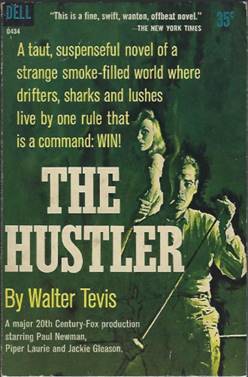
THE HUSTLER (1959) First PB; Dell D434, 1961. Cover art by Clark Hulings. Movie tie-in (MTI). THE HUSTLER is an amazing first novel, an immediate instant classic told in a hardboiled “pool hall” style, peopled with realistic poolroom denizens. Young hustler Fast Eddie Felson sets his sights on beating the best in the country, Minnesota Fats. | |
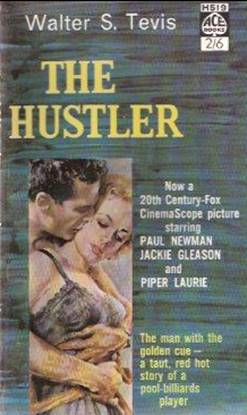
Ace UK H519, 1961. British movie tie-in is the first British paperback edition. Paul Newman and Piper Laurie are depicted on the cover. Robert Rossen’s film captured the desperate world of the book and received nine Academy Award nominations, winning for Cinematography and Art Design. Paul Newman, Jackie Gleason, Piper Laurie and George C. Scott were all nominated for acting. In the UK, Paul Newman won the Bafta Award for his performance as Eddie Felson. |
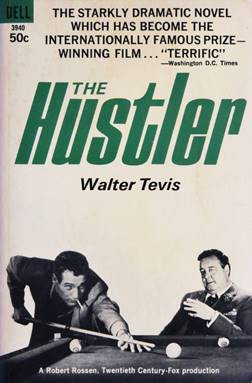
Dell 3940, 1964. MTI. THE HUSTLER was filmed in 1961. It was a huge success and was re-released in spring 1964, when Dell issued this second printing with a new MTI photo cover of Newman and Gleason. The paperback has remained a collectible ever since. | |
Xerox, 1973. THE HUSTLER has remained in print for decades. There are over a dozen different editions, with publication dates covering each decade from the sixties through today. |
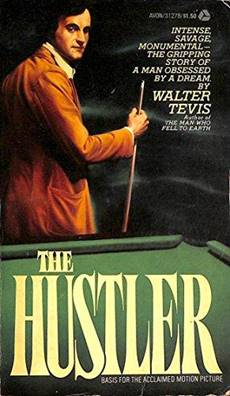
Avon 31278, 1976. After THE HUSTLER was a success, a man appeared on American television saying he was Minnesota Fats, the hustler Tevis had based his book around. Tevis responded in 1976: “I once saw a fat pool player with a facial tic. I once saw another who was physically graceful. Both were minor pool hustlers…Both seemed loud and vain – with little dignity and grace, unlike my fat pool player. After THE HUSTLER one of them claimed to ‘be’ Minnesota Fats. That is ridiculous. I made up Minnesota Fats – name and all – as surely as Disney made up Donald Duck.” | |
Alpha Books, Oxford University Press, 1979. UK. Abridged edition edited by David Fickling. |
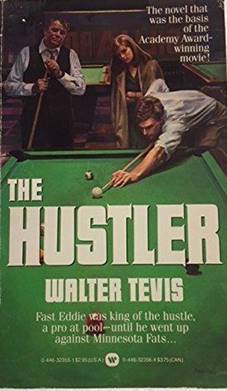
Warner 0-446-32355-1, 1984. This edition was published as a companion piece to Warner’s 1984 paperback THE COLOR OF MONEY, the sequel to THE HUSTLER In an early draft of the manuscript now held at the University of Kentucky, Eddie’s opponent is “New York Fats”, lending credence to the author’s claim that he made up the character Minnesota Fats. | |
Pan 28637, 1985. UK. At first glance the novels of Walter Tevis appear to be about different worlds – pool hustlers, a visitor from another planet, a chess prodigy. But as you read them you recognize they all share characters who are all alone in this world and obsessed, driven to succeed at some seemingly impossible task, pushing on against all odds. |
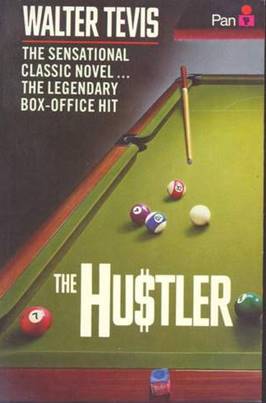
Pan 28637, 1987. Paul Newman photo cover. UK. Twenty-eight years after the book was published and twenty-six years after the movie was released, the words “classic” and “legendary” perfectly describe this achievement. | |
Abacus, 1990. UK. TV Guide gave a two-word description of the movie THE HUSTLER that perfectly captures the whole experience: “dark stunner”. They also suggest that this was the movie that made Paul Newman an “overnight superstar”. |
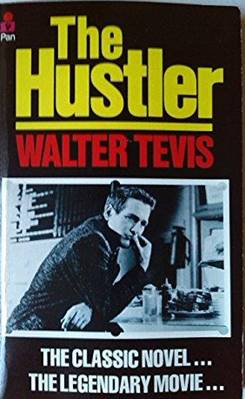
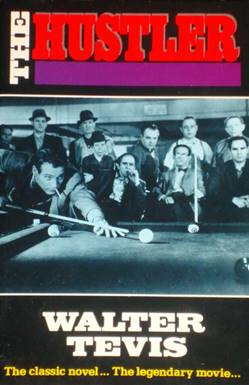
Bloomsbury, 1998. UK Bloomsbury Film Classics. Bloomsbury Film Classics were a recommended series of reprints of some great books that had all been turned into classic movies. Other books in this series include PSYCHO, STRAW DOGS, BULLITT, SERPICO, MARATHON MAN, THE FRENCH CONNECTION, GOODFELLAS, THE POSTMAN ALWAYS RINGS TWICE, SHAFT and DELIVERANCE. | |
Da Capo, 2002. Thunder’s Mouth Press. Today we are all familiar with the world of THE HUSTLER and the countless movies and books it inspired. But looking back at the initial reviews of the book there was a sense that something new was being uncovered for the first time. It was the look and the feel of the movie that struck audiences, which is why I think it won Oscars for Art direction and for the cinematography of the legendary Eugen Schufftan (inventor of the Schufftan Process). |
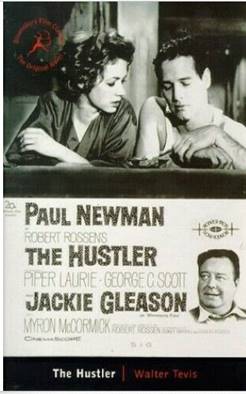
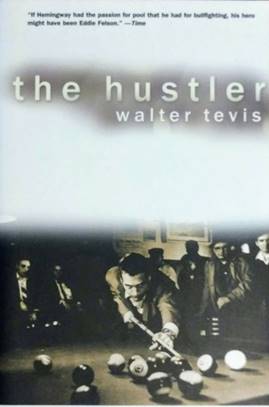
Bloomsbury 0-7475-8283-1, 2005.UK. Bloomsbury re-issued many of the books from this series in the 2000’s in digest size with new covers. And they added titles like VERTIGO and CAPE FEAR. | |
Penguin, 2009. UK. Fast Eddie Felson was a new breed of American antihero, not really a nice guy, but a compelling and magnetic man nonetheless. We saw his likes again in books and movies such as THE CINCINNATI KID, where poker was the game instead of pool. The original 1965 New York Times review of THE CINCINNATI KID said ‘the film pales beside THE HUSTLER, to which it bears a striking similarity of theme and characterization”. |

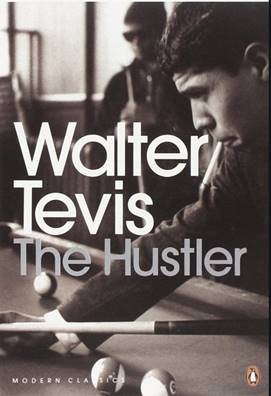
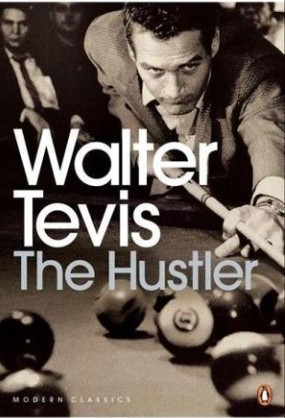
Penguin UK. This cover is also used on the Audio DC. Paul Newman is so deeply tied to this book that his face appears on eleven of the sixteen paperback covers shown here, and countless foreign editions. | |
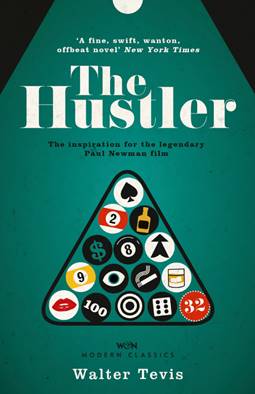
Orion UK, 2015. W&N Modern Classics. Also available as an e-book. The latest incarnation of a perennial classic. |
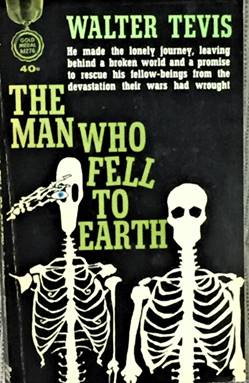
THE MAN WHO FELL TO EARTH, – 1963 PBO (Paperback Original): Gold Medal k1276. Cover art by The Dillons. To the delight of paperback enthusiasts everywhere, two of Walter Tevis’s seven books were paperback originals. This is the first, a science fiction classic from the best publisher of American originals. | |
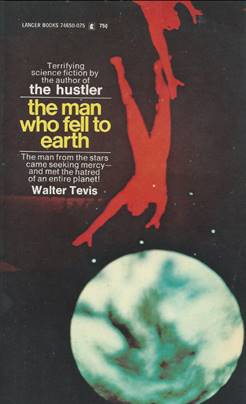
Lancer 74650, not dated (1970). On the surface a story about a visitor from another planet, THE MAN WHO FELL TO EARTH exists on more than one level. It’s also a wry commentary on the human condition. Norman Spinrad said of it, “Realistic enough to become a metaphor for something inside us all, some existential aloneness.” |
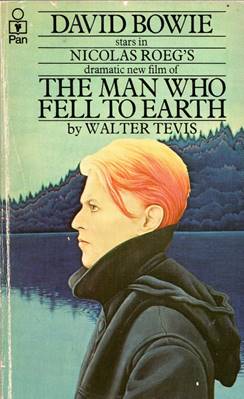
Pan 0330246798, 1976. UK MTI. Illustration by George Underwood. The UK movie paperback is also the first publication of this book in Great Britain. David Bowie was perfectly cast in the film by visionary director Nicolas Roeg. | |
Avon 27276, 1976. The American MTI edition with David Bowie cover photo. With his heterochromia and his ethereal magnetism, David Bowie seemed at times like an alien being anyway, so having him play Thomas Newton here was a stroke of brilliance. He acted in a few more films but this was perhaps his most memorable movie role. |

Alpha Books, Oxford University Press, 1979. UK Abridged edition “adapted by David Fickling”. 96 pages. Alpha Books were marketed to educators and reading teachers. | |
Bantam 14274, 1981. With their success in 1981 with MOCKINGBIRD, Bantam secured the rights to bring out a new edition of Tevis’s 1963 “science fiction classic”. In the summer of 2019, the CBS All Access streaming service announced they had ordered a new series of television shows based on THE MAN WHO FELL TO EARTH, produced by “Star Trek: Discovery” veterans Alex Kurtzman and Jenny Lumet. The writer-producers said they would “modernize and reimagine” the story. |

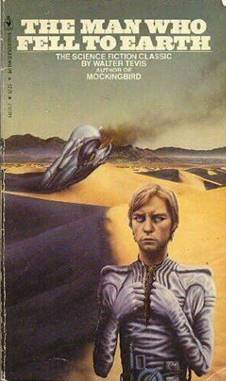
Dell Laurel 35281, 1986. Television had attempted to remake the story once before, in a 1987 TV movie that was not reviewed kindly. It was the pilot for a series that was not picked up. The writers added a young son for the woman Newton befriends, played by ‘Star Trek’s Wil Wheaton, thereby changing the story into something else, kind of a different take on THE DAY THE EARTH STOOD STILL | |
Abacus, 1988. UK. Another way to read THE MAN WHO FELL TO EARTH is to read it as a commentary on man’s inhumanity to his fellow man. As Newton, who means no harm and kills no earthlings, is tortured and suffers at the hands of his inquisitors, he takes on a Christ-like Passion. It is a heart-wrenching book, an unforgettable story. |
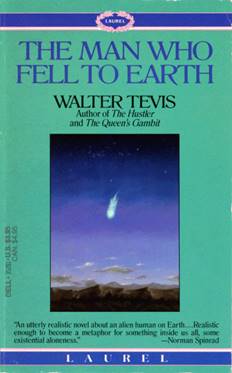

Del Rey 0345431618, 1999. Del Rey is an imprint of Ballantine Books. “Those who know THE MAN WHO FELL TO EARTH only from the film version are missing something. This is one of the finest science fiction novels of its period.” – J.R. Dunn. | |
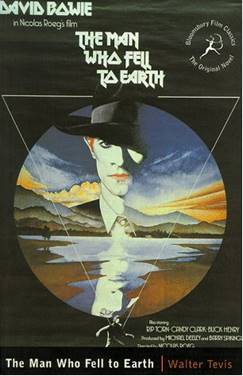
Bloomsbury 2000. UK. Bloomsbury Film Classics. Two covers seen. A special edition was a bonus included in the November 2000 issue of Sight & Sound Magazine. |
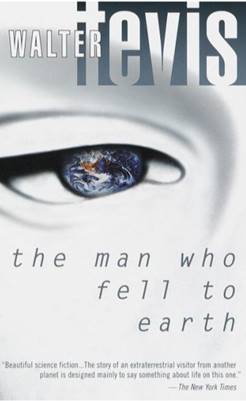
Del Rey 034549010X, 2005. This edition of the book was included in the 2005 Criterion Collection DVD box set of the film, and was also published in hardcover. | |
Penguin, 2010. UK. THE MAN WHO FELL TO EARTH qualifies for this “modern classic” designation. It is heartbreaking and uplifting, scary and sad, thought-provoking and moving. It is obviously the work of an author of inestimable talents. |
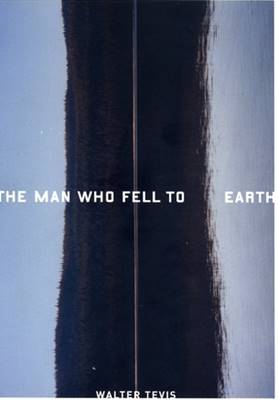

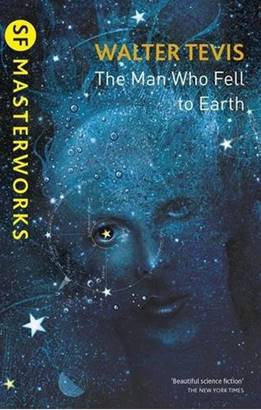
Orion 1473213118, 2016. UK. Gollancz SF Masterworks series. Throughout the 21st century, Penguin UK and Orion UK have constantly championed the re-issuing of the best books from both the United Kingdom and the United States. They have definitely been the ones keeping Tevis in print. And I continue to believe more each year that they are putting their American competitors to shame. | |
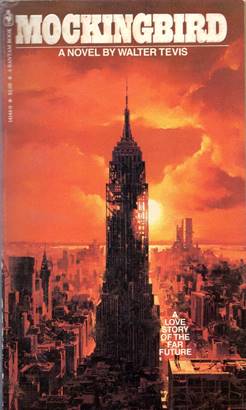
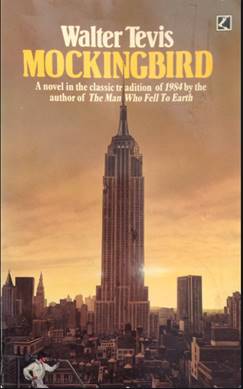
MOCKINGBIRD, - 1980 First PB: Bantam 14144-9, 1981. Cover art by Lou Feck. Seventeen years after his previous book, Walter Tevis wrote MOCKINBIRD. It was Tevis himself who explained in interviews the reason for the seventeen-year hiatus: a “serious drinking problem”. Tevis quit his teaching job and moved to New York City to be a writer again. Over the next four years he published three more books and an anthology. Two of those books are now acknowledged as masterpieces. MOCKINGBIRD was nominated for the Nebula Award for Best Science Fiction Novel of 1980. | |
2nd PB: Bantam 1414409, 1985. MOCKINGBIRD is set in a dystopian Manhattan in the 24th century. The once-great city lies in ruins. Human beings are slowly going extinct. One of the leaders of the robot University, Dean Robert Spofforth, last of the Make Nine Robots, hires a human named Paul Bentley to work at a job very few people still know how to do. Paul had been trained to be a reader. There aren’t many books left, but Paul studies and learns more about reading from an ingenious source: the titles of old silent movies. |
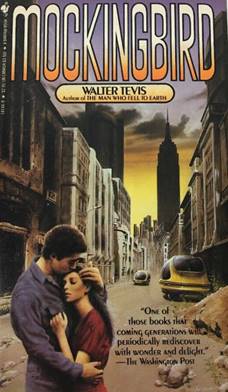
Corgi 055-2123560, 1984. First UK PB. Exploring the city, Paul meets Mary Lou, who hides out at the Bronx Zoo. The world is very slowly dying. No babies are being born. The remaining people are kept docile with drugs and “quick sex” by the robots. Self-immolation is a popular method of escaping from the anguish of living in such a world. Paul and Mary Lou are both iconoclasts because they think for themselves, and when Mary Lou becomes pregnant, Paul is exiled to prison. His escape and long journey back to Mary Lou is the heart of MOCKINGBIRD. | |
Del Rey 0345432626, 1999. Like many books about the future, MOCKINBGIRD has much to say about how we live now. As Paul learns more forgotten history through his studies, he finds copies of THE BIBLE and GONE WITH THE WIND and other books: “As well as I understand it, Jesus claimed to be the son of God, the one who was supposed to have made heaven and earth. That perplexes me and makes me feel that Jesus was unreliable. Still, he seems to have known things that others did not know and was not a silly person, like those in GONE WITH THE WIND, or a murderously ambitious one, like the American presidents.” |
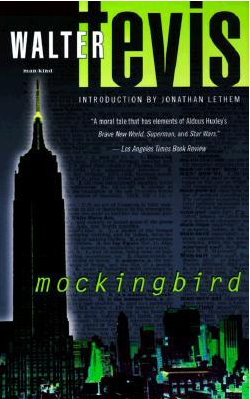
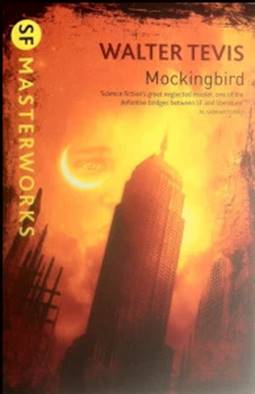
Gollancz SF Masterworks, 2007. Like all great books this one can be appreciated on different levels by different readers. For me, there is spirituality in this story. You may enjoy a completely different take on it. In what surely must have been a swipe at repressive fundamentalist Christianity, Paul in his travels home comes across a religious group that claims to worship Jesus. They just seem to have forgotten his original message and, not having anyone who can read their Bible, they twist and subvert the original intent. When they meet Paul they first try to throw him into their pit of fire. He saves himself by reading their Bible to them. | |
Gollancz SF Masterworks, 2007. Cover variant. MOCKINBIRD is in the same genre as FAHRENHEIT 451 and the movie THE BOOK OF ELI. All of these stories imagine a future with no books. It’s a frightening concept because reading is so intrinsically intertwined with freedom and art and creativity. Gutenberg revolutionized the world with a printing press that would enable the common people to read the Bible and think for themselves and start a Reformation. The death of Gutenberg’s invention represents an end to such thinking and an end to freedom. |

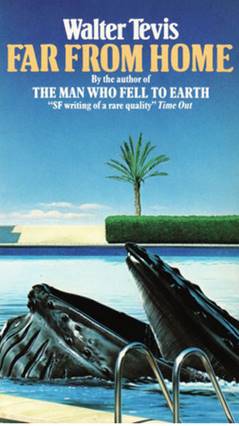
FAR FROM HOME, 1981 First PB is also first UK pb. Corgi 0552124044, 1984. Tevis collected all thirteen of his science fiction short stories into one book, FAR FROM HOME. Some of the stories are from his first period, when he wrote for science fiction magazines in the late 50’s. Other stories, from the 80’s period, are darker and more analytical. “The Apotheosis of Myra” is a companion piece to THE STEPS OF THE SUN. “Out of Luck” is about an alcoholic ex-art professor who has moved to New York to paint. But he keeps seeing the same person over and over and over. Is it a hallucination, or is something trying to tell him something? | |
Omnibus edition: with THE STEPS OF THE SUN - Gollancz, 2016. One of the stories is about a guy who gets a phone call from himself in the future. Another story finds a whale in an Arizona public swimming pool. His richly humorous stories about Farnsworth the inventor include “The Big Bounce” about a rubber ball that keeps gaining momentum with each new bounce, and ‘The Ifth of Oofth” (also known as “Farnworth’s Eye”) about the invention of a five-dimensional cube that starts out innocently enough but then keeps folding in on itself until it threatens to destroy the universe. |

THE QUEEN’S GAMBIT – 1983 First PB: Dell 17183, 1984. “Beth learned of her mother’s death from a woman with a clipboard”. With that first sentence, Walter Tevis begins the story of eight-year-old orphan Beth Harmon, a solemn and lonely child who begins playing chess with the janitor in the orphanage basement. She exhibits a natural aptitude for the complexities of the game. And ten years later she is a teenage wunderkind, winning chess tournaments and dreaming of defeating the Russian Grandmaster at the World Chess Championship. | |
Pan 0-330-28241-7, 1984. First UK PB. “In the Methuen Home in Mount Sterling, Kentucky, Beth was given a tranquilizer twice a day. So were all the other children, to ‘even their dispositions’.” I don’t play chess, but I was told you don’t have to know the game to enjoy this novel, so I gave it a try. It’s a masterpiece. It is also, cleverly, just a little bit like Tevis’s first book, THE HUSTLER. The game has been changed from pool to chess, but the obsession of the young challenger and the tense, dramatic contests are all here. |
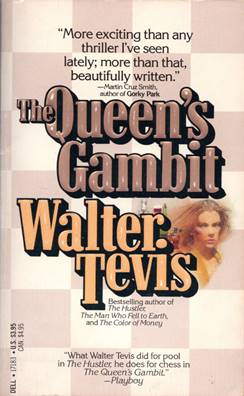
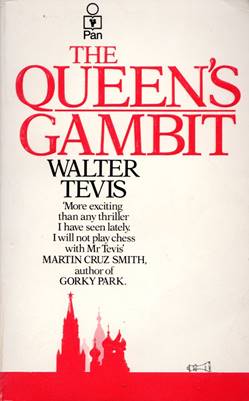
Dell Laurel 50216-0, 1989. Beth is basically a hot mess except for her chess playing. She drinks too much, is addicted to the drugs she was force fed as a child, has trouble maintaining relationships and lacks many social skills. But she is such a completely fascinating mess. Her journey from orphanage to adoption to local chess tourneys to Moscow is riveting, relentless and engrossing. Tevis created many memorable characters, but Beth Harmon is, for me, the most unforgettable of them. Below; No Exit Press, 1993. | |
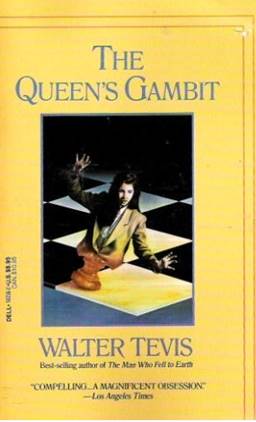
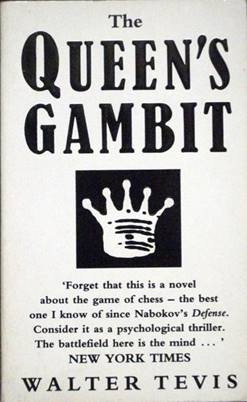
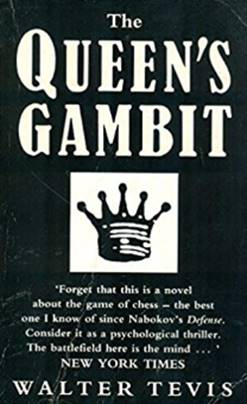
Vintage (Random House), 2003. Two covers seen. “She found the Newsweek with her picture in it… The piece said she was the most talented woman since Vera Menchik…What did being a woman have to do with it? …Questions about being a woman in a man’s world. …It wouldn’t be a man’s world when she was through with it.” To enhance the character of Beth and give her believability, Tevis wove in certain incidents from the lives of real-life chess masters Lisa Lane and Robert Fischer. | |
“When she brought her queen out, the Mexican stood up and said, “Enough. Enough. I resign the game.” For a moment she was furious, wanting to finish, to drive his king across the board and checkmate it. “You play a game that is awesome”, he said. “You make a man feel helpless.” ” |

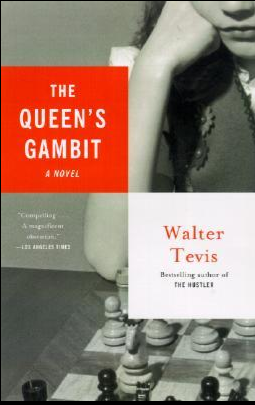
Penguin, 2009. UK. Two covers seen. “Sitting over the chessboard… she was actually poised over an abyss, sustained there only by the bizarre mental equipment that had fitted her for this elegant and deadly game.” | |
“On the board there was danger everywhere. A person could not rest”. Reading THE QUEEN’S GAMBIT can at times seem like a visit to some magical world with set rules of engagement. It reminds me of a song we used to hear… “Move me on to any black square Yes |


Weidenfeld & Nicholson Modern Classics (Orion), 2016. UK. “She felt inconsequential – a child peering into the adult world. She hurried… feeling awkward and terribly alone.” Heath Ledger loved THE QUEEN’S GAMBIT and thought it would make a great movie. He bought the rights in 2007 and planned to direct the film with Ellen Page starring as Beth. The project was canceled when he died in January 2008. | |
Ishi Press, 2016. Reuses cover art from the 1983 hardcover first edition. “She sat behind the black pieces and said carefully in Russian, ‘Would you like to play chess?’ ” Now for the good news. Netflix picked up the rights to THE QUEEN’S GAMBIT, and a six-part series is currently being filmed for release in 2020. Anya Taylor-Joy is playing Beth Harmon. |


THE STEPS OF THE SUN – 1983 1st pb Berkley 0-425-07645-8, 1985. THE STEPS OF THE SUN is my least favorite Tevis novel. It’s not a bad book, it just suffers from the company it keeps. THE QUEEN’S GAMBIT, which came out the same year, is an infinitely more fascinating book. And Tevis wrote three science fiction novels, but as Amazon UK says “THE MAN WHO FELL TO EARTH & MOCKINGBIRD are considered masterpieces of science fiction.” No mention of THE STEPS IN THE SUN. For me the biggest problem is it has not aged well. Although set in the future, it already seems hopelessly dated. | |
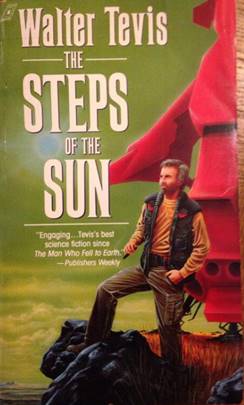
Collier 029865-X, 1990. Modern readers will be put off by things Tevis perhaps never anticipated in 1983. The protagonist of THE STEPS OF THE SUN is a chauvinist millionaire. He treats all the woman in the book like dirt. That may have been a standard and acceptable leading man years ago, but today’s readers do not buy chauvinist millionaires as heroes. We think of them as villains. Or politicians. So it’s hard to root for this one in 2020. From the back cover; “In the 2060s, the US is a second-rate power… Space travel is illegal. What the world needs is a hero. A man rich enough to build his own spaceship.” |

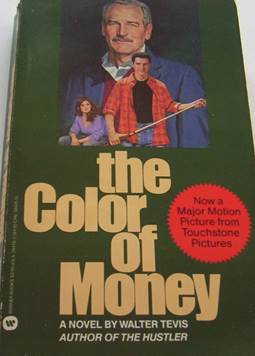
THE COLOR OF MONEY, - 1984 PBO: Warner 0-446-32353-5. Cover art by Jim Dietz. It is twenty years after THE HUSTLER, and Eddie Felson is now running a poolroom in Lexington, Kentucky. He gets an offer to play exhibition games for cable TV against his old rival, Minnesota Fats. All he has to do is convince Fats, now an old man living in Florida, to join him Eddie quickly learns that the young pool hustlers now play a different kind of game called nine-ball. And so he sets out to become The Hustler again. | |
Warner 34419-2, 1986. MTI. Since Tevis’s story was not used for the movie, Richard Price’s screenplay takes off in a different direction. For example, the character of Minnesota Fats does not appear in the film. Instead a new character played by Tom Cruise is introduced. Paul Newman returns as Eddie and won the Academy Award for Best Actor, something he should have won in 1961. But if you saw the movie and then decided to read the book, you would wonder when Tom Cruise was going to show up. |
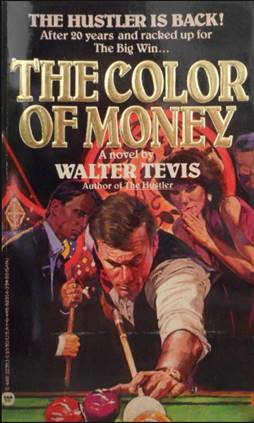
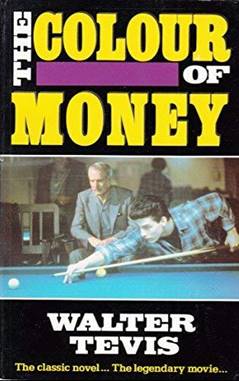
THE COLOUR OF MONEY Pan, UK 1985. “Nine-ball was a young man’s game.” THE COLOR OF MONEY is about growing old, about second chances, about reaching out for the prize with practice, patience, perseverance, and luck. | |
Abacus, 1990. UK MTI. The trick of the great writers like Tevis is the way they involve us in the action. Reading a bad book, you feel like a remote observer. With Tevis you feel like you are there, like these things are happening to you. You know the characters anguish, their joy, their loneliness, their terror. You are trapped in the moment. |

Thunder’s Mouth Press 1-56025-485-8, 2003. “Tevis is unequaled when it comes to creating and sustaining the tension of a high stakes game. Even readers who have never lifted a cue will be captivated.” – Publisher’s Weekly. | |
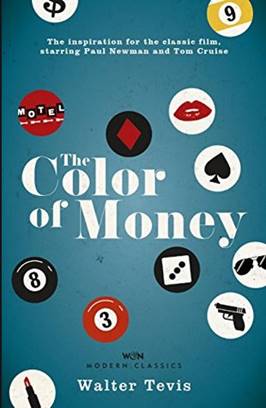
Weidenfeld & Nicholson Modern Classics (Orion), 2015. UK. After a heart-wrenching attempt to be an art dealer with his new girlfriend, Eddie starts shooting pool again and signs up for a big tournament at Lake Tahoe. Walter Tevis, who had worked in a poolroom as a young man, understood this world from the inside and brought it to life in short stories and in the two books that bookend his writing career. THE COLOR OF MONEY was published on August 1, 1984. Walter Tevis died eight days later. |

Interior cover art for MOCKINGBIRD. Art by Lou Feck.

The Uncollected Short Stories by Walter Tevis
The list of short stories by Walter Tevis that is found on several websites comes from a list Tevis (or his family) drew up that is now in the Walter Tevis Collection at Indiana University. To show how I arrived at “The Uncollected Short Stories”, that list is reprinted here. My corrections are in italics at the far right. I have added a key at the far left to break the list into collected and uncollected stories:
Numbered = uncollected story
F = collected in FAR FROM HOME
1. “The Best in the Country” – Esquire, November 1954.
2. “The Big Hustle” – Collier’s, August 5, 1955.
3. “Misleading Lady” – The American Magazine, October 1955.
4. “Mother of the Artist” – Everywoman’s, 1955 (citation needed). Not Found
5. “The Man From Chicago” – Bluebook, January 1956. Actually 1955.
6. “The Stubbornest Man” – Saturday Evening Post, January 19, 1957.
7. “The Hustler” (original title: “The Actors”) – Playboy. Jan 1957.
F. “Operation Gold Brick” (original title: “The Goldbrick”) – If, June 1957.
F. “The Ifth of Oofth” – Galaxy, April 1957.
F. “Big Bounce” – Galaxy, February 1958.
8. “Sucker’s Game” – Redbook, August 1958 Actually February 1958.
9. “First Love” – Redbook, August 1958.
F. “Far From Home” – The Magazine of Fantasy & Science Fiction, December 1958.
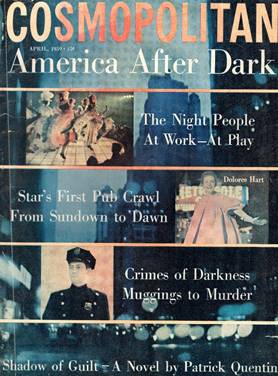
10. “Alien Love” (original title: “The Man From Budapest”) – Cosmopolitan, January 1959. Actually April 1959.
11. “A Short Ride in the Dark” – Toronto Star Weekly Magazine, April 4, 1959.
12. “Gentle is the Gunman” – Saturday Evening Post, August 13, 1960.
F. “The Other End of the Line” - The Magazine of Fantasy & Science Fiction, November 1961.
13. “The Machine That Hustled Pool” – Nugget, February 1961. Title changed to “The Pool Hustlers”.
F. “The Scholar’s Disciple” – College English, October 1969.
14. “The King is Dead” – Playboy, September 1973.
F. ‘Rent Control” – Omni, October 1979.
F. “The Apotheosis of Myra” – Playboy, July 1980.
F. “Echo” - The Magazine of Fantasy & Science Fiction, October 1980.
F. “Out of Luck” – Omni, November 1980.
F. “Sitting in Limbo” – FAR FROM HOME, 1981.
F. “Daddy” - FAR FROM HOME, 1981.
F. “A Visit From Mother” - FAR FROM HOME, 1981.
There are 27 stories on this list of Walter Tevis’s short fiction. He collected 13 of them, all science fiction stories, in FAR FROM HOME. The other 14 stories are listed as having been published in magazines between 1954 and 1973. Having read all of his books, I wanted more. I set out to collect all 14 of the remaining stories. I have located 13 of them, listed below. The missing story that does not exist (as far as I can tell) is “Mother of the Artist”, Everywoman’s Magazine, 1955. Everywoman’s was just what the title suggests, a magazine designed for women readers. Each issue included one or two fiction stories. In 1958 it merged into Family Circle Magazine. I have now seen every single issue of Everywoman’s from that entire period (the Milwaukee Central Public Library holds a collection of them). I can now confirm there is no such story in that magazine during that time period. Why it is not there is a mystery. The people who might have known, Tevis and his first wife, are both deceased. Perhaps Tevis wrote it and sold it, and then the magazine chose not to use it. Perhaps it appears somewhere else, but this seems doubtful because that story does not turn up in any index such as the Reader’s Guide to Periodical Literature. I tried out a theory that perhaps it appeared under a pseudonym, but if so both the title and author had to have been changed. When I reviewed the Everywoman’s collection at Milwaukee, I read every story in every issue. None of them have anything to do with any artist’s mother. And none of them are written in the style of Walter Tevis. So, until it turns up somewhere somehow, it seems safe to leave “Mother of the Artist” off our list.
That leaves 13 stories. If we put them in correct order of publication, we have this new list:
The Uncollected Short Stories by Walter Tevis
1. “The Best in the Country”*
2. “The Man From Chicago”*
3. “The Big Hustle”*
4. “Misleading Lady”
5. “The Hustler”*
6. “The Stubbornest Man”
7. “Sucker’s Game”*
8. “First Love”
9. “Alien Love”
10. “A Short Ride in the Dark”
11. “Gentle is the Gunman”
12. “The Pool Hustlers”*
13. “The King is Dead”
*Six of these 13 are about pool hustlers. Tevis sold his first story “The Best in the Country" to Esquire in 1954. “The Man from Chicago” for Bluebook and “The Big Hustle” for Collier’s followed in 1955. All three of these stories have scenes or pool rooms or characters that will appear in THE HUSTLER.
And then Tevis wrote a story he called “The Actors” and sold it to Playboy Magazine. They retitled it “The Hustler”. The February 1958 issue of Redbook included a Walter Tevis story called “Sucker’s Game”. It is the fifth of his “pool hustler” stories. The sixth hustler story, “The Machine That Hustled Pool” sold to Nugget Magazine in 1961. They called it “The Pool Hustlers”.
Six of the other stories that make up the uncollected 13, including miscellaneous fiction and romance, were sold to popular magazines of the day like Saturday Evening Post and Cosmopolitan.
Those 12 “first period” stories were published from 1954 to 1961. During the 17-year dry period between his second book in 1963 and his third one in 1980, Walter Tevis sold only two stories. “The Scholar’s Disciple” (1969) appeared in a teacher’s magazine and was collected in FAR FROM HOME. But the other story, “The King is Dead” (1973), the 13th and final uncollected story on our list, is something special. It was also the only uncollected fiction he completed until MOCKINGBIRD in 1980. It’s so good it makes us wish he had been able to publish more stories during those years.
As the list above shows, all of the stories Tevis wrote during his “second period” from 1979 to 1984 were collected in FAR FROM HOME.
I have a 14th short story on my Tevis list, because during the deep search for “Mother of the Artist” I asked research librarians to check the Tevis papers held by Eastern Kentucky University , Ohio University, the University of Kentucky, and the Lilly Library at Indiana University. And we found a reference to a story that does not appear on the internet lists, “Machine Record” by Tevis Cogswell in the May 1961 issue of Science Fiction Adventures, a UK digest.
“The Best in the Country” –Esquire, November 1954. Illustration by Plaut. Also available online at: https://classic.esquire.com/article/1954/11/1/the-best-in-the-country Johnny, a young pool hustler from Las Vegas, goes up against Ned Bayles, the best in the country. | |
Tevis had originally written this story for a writing class at the University of Kentucky. Many old magazines are just dust now, but Esquire is still going, and best of all, they have a strong online presence and have posted many of their great old stories. “The Best in the Country” is one of them, so it’s there waiting for you if you have not already enjoyed it. Or if you haven’t seen it since 1954. |


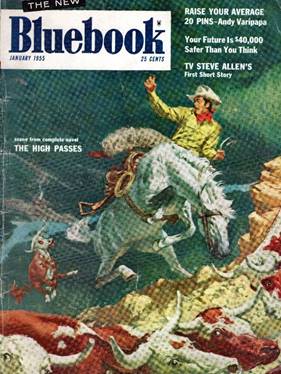
“The Man From Chicago”- Bluebook, January 1955. Illustrated by Tracy Sugarman. They were still telling stories about the legendary Billy Curtiss from Chicago when a mild old man nicknamed “Hustler Curtiss” came into Charlie’s poolroom. | |

“The Big Hustle – Collier’s, August 5, 1955. Illustrated by Denver Gillen. A young hustler called Hot Springs Babe comes to town and takes on Ned Bales, the best in the country. | |
“Misleading Lady” – The American Magazine, October 1955. Illustration by Mary Mayo. A novice actress tries out for a part in a play but does her best acting backstage, not onstage. Light, romantic short short story. | |


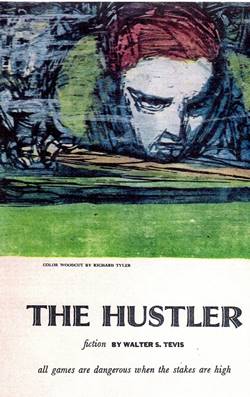
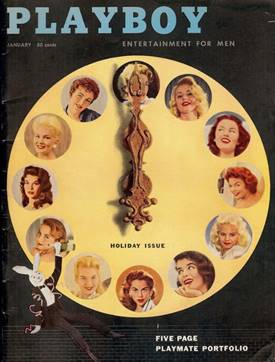
“The Hustler” – Playboy January 1957. Reprinted in Playboy January 1989. Color woodcut by Richard Tyler. Big Sam Willis, once the best in the country, gets out of prison and heads for Bennington’s Pool Hall in Chicago. Using the name George Graves, he hustles the richest, fattest, best player there, Louisville Fats. But someone in the crowd watching the game knows he is not George Graves. | |
Tevis called this story “The Actors” In those days Playboy had a great literary editor, Ray Russell, who bought and published many fine stories by many now-legendary authors. Ray Russell suggested a title change to the more appropriate “The Hustler”. It was just right, and Tevis used that title when he expanded the story into the 1959 novel. Years later, in an article for the LA Times in 1987, Ray Russell wrote about how changing the title of the Tevis story wound up giving Paul Newman the first of his string of “H” movies (HUSTLER, HUD, HARPER, HOMBRE). |
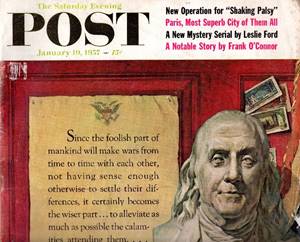
“The Stubbornest Man” – Saturday Evening Post, January 19, 1957. A cantankerous old farmer wants no help from his college-boy son. But the son’s new wife works wonders on the old guy. This story also appeared in the UK in the June 29, 1957 issue of John Bull. | |
The reason I don’t like this story is because I don’t believe it as a story at all. It feels just like something a creative writing teacher would come up with to illustrate “How to sell a story to The Saturday Evening Post”. It has everything you would need for a guaranteed sale to the slickest of the slicks, except maybe a crippled child with a sick kitten. |

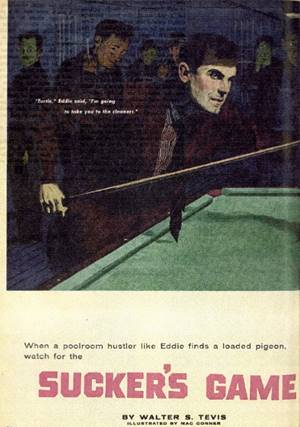
“Sucker’s Game” – Redbook, February 1958. Illustrated by Mac Connor. Eddie walks into a poolroom and selects a fat man named Turtle to hustle. But Eddie is about to get a big surprise | |
Although Redbook Magazine would later be identified as a Woman’s Magazine, back in 1958 they were publishing what they called “A Fiction Feature for Men”. The February 1958 issue of Redbook included this tough-as-nails Tevis story. The fifth of his “pool hustler” stories, “Sucker’s Game” has the feel of the 1959 book THE HUSTLER, where both Eddie and Turtle return as characters. |

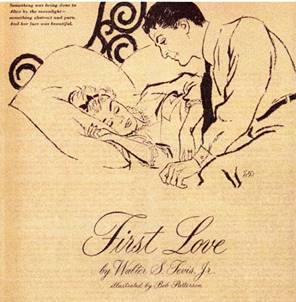
“First Love” – Redbook, August `1959 Illustrated by Bob Patterson. A married man at the movies with his wife and daughter falls in love with the classy, glamorous actress on the big screen. Although never named, she seems a lot like Grace Kelly. | |
Very sweet, very short, and very simple, “First Love” is a romance that feels like it really happened. You want to believe it really did. This story also appeared in UK in the January 24, 1959 issue of Woman’s Own. Image courtesy of philsp.com. |

“Alien Love” – Cosmopolitan, April 1959. Illustrated by Al Buell. Miss Dodd, the principal, investigates a charge of indecency brought by a young student against a new teacher from Budapest. | |
Tevis called the Cosmopolitan story “The Man From Budapest”, a good title, but the editors unfortunately chose to change it to “Alien Love”. That sounds like a science fiction story, which it is decidedly not. “Alien Love” was sold to television and turned into an episode of “The Loretta Young Show” in 1959. Loretta played the school principal and Walter Slezak was the man from Budapest. The spoiled schoolgirl was played by Suellyn Lyon, who was just about to be cast as Lolita, shorten her name to Sue, and become a movie star. |

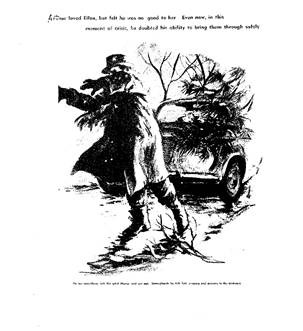
“A Short Ride in the Dark” – Toronto Star Weekly, April 4, 1959. A storm has knocked out the telephone lines, so a man living out in the country has no other options, he has to drive his wife to the emergency room through the stormy night. There is just one catch. He is blind. | |
This story is so well plotted with tension and pitch black twists. It makes me wish he had written more stories like it. Star Weekly Magazine started as the weekend supplement of the Toronto Star newspaper. In 1938 the publisher dropped Toronto from the title to make it more of a nationwide magazine, and sold it also as a stand-alone magazine in other parts of the country. In 1959 the price was 15 cents. |

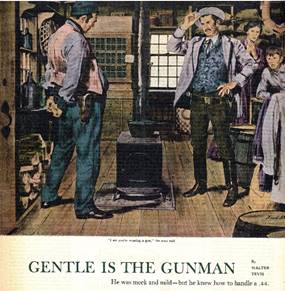
“Gentle is the Gunman” – Saturday Evening Post, August 13, 1960. It may look like a Western, but “Gentle is the Gunman” is about a boy and his widowed Mom, all alone and running a general store. A gentle and lovable giant, the mild Mr. Merrill comes to work for Mom as a handyman and fixes everything. And I mean everything: the boy even gets a baby brother. | |
Titled “When Mama Hired a Gunman”, this story was reprinted in Today: The New John Bull in the UK. |

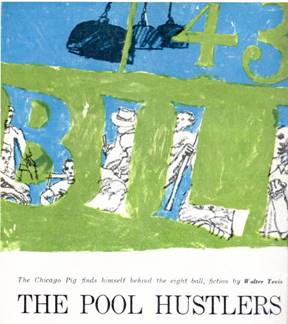
“The Pool Hustlers” – Nugget, February 1961. “I seen them all. I seen Michigan Benny stroll into the room looking like a sharecropper. I seen the Arizona Mudball, wearing, so help me, Bermuda shorts and a Jungle Jim hat, win a half interest in a diamond mine…” | |
After THE HUSTLER was a success, Tevis revisited that world for a sixth hustler story. A bit lighter and more comical than the gritty earlier stories, he called it “The Machine That Hustled Pool” and sold it to Nugget. Probably wishing to cash in on THE HUSTLER money train, the editors there changed the title to “The Pool Hustlers”. |

“Machine Record” by Tevis Cogswell – Science Fiction Adventures, May 1961. UK. A Nova Science Fiction Magazine. Collaboration with Theodore Cogswell. Image courtesy of philsp.com. | |
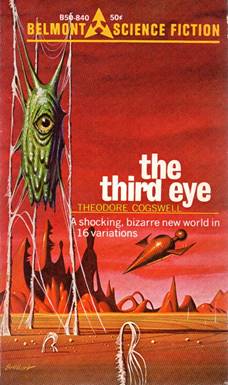
The story was collected in a book, just not a Walter Tevis book. It appears in THE THIRD EYE by Theodore Cogswell, Belmont B50-840, 1968. On the copyright page there it says: ‘“Machine Record” (with Walter Tevis) copyright 1961 by Nova Publications Ltd.’ It is a collaboration by Tevis and Cogswell. There are no records in Tevis’s papers suggesting how much of this collaboration is Cogswell’s, how much is Tevis. But we do know that when Cogswell collected some stories in THE THIRD EYE, he included “Machine Record”. |

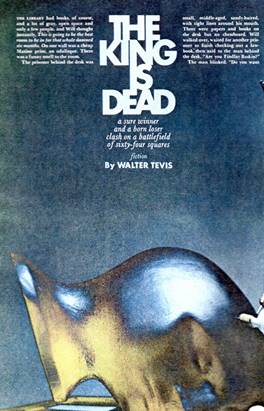
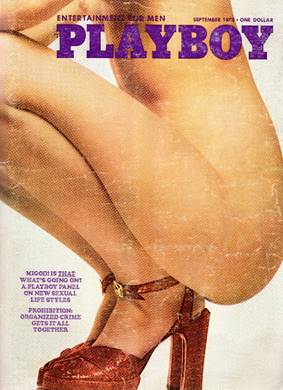
“The King is Dead” Playboy, September 1973. A young chess hustler gets out of prison and enters into a battle of wits and high stakes chess with a rich older chess player. “The King is Dead” (the English translation of the Persian “shah mat” or “checkmate”), is a chess story. And it is a perfect companion piece to THE QUEEN’S GAMBIT. | |
The kid here is a lot like Eddie Felson, the older man a bit like Minnesota Fats. And Tevis sold the story to Playboy, the same magazine that bought “The Hustler” 16 years earlier. He basically sold them the same idea twice, changing the game played from one obsession, pool, to another obsession, chess. As with THE QUEEN’S GAMBIT, you don’t need to understand chess to enjoy this story To end this with some good news, the literary agent of the Estate of Walter Tevis tells me plans are underway for an anthology made up of Tevis’s uncollected short stories and some previously unpublished stories. |